Watersheds and Cities
Uniting efforts to protect watersheds and sustain cities
Context
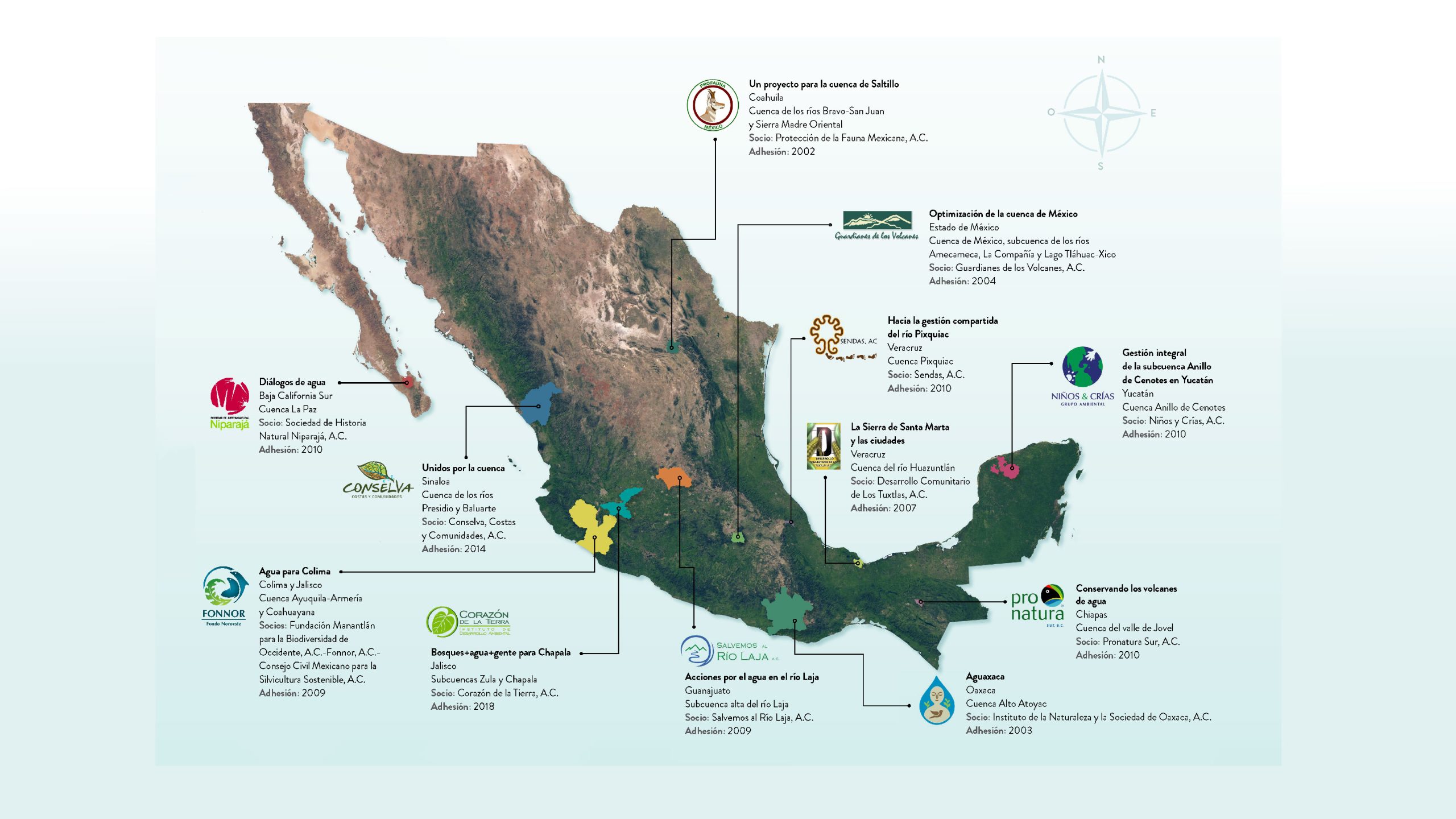
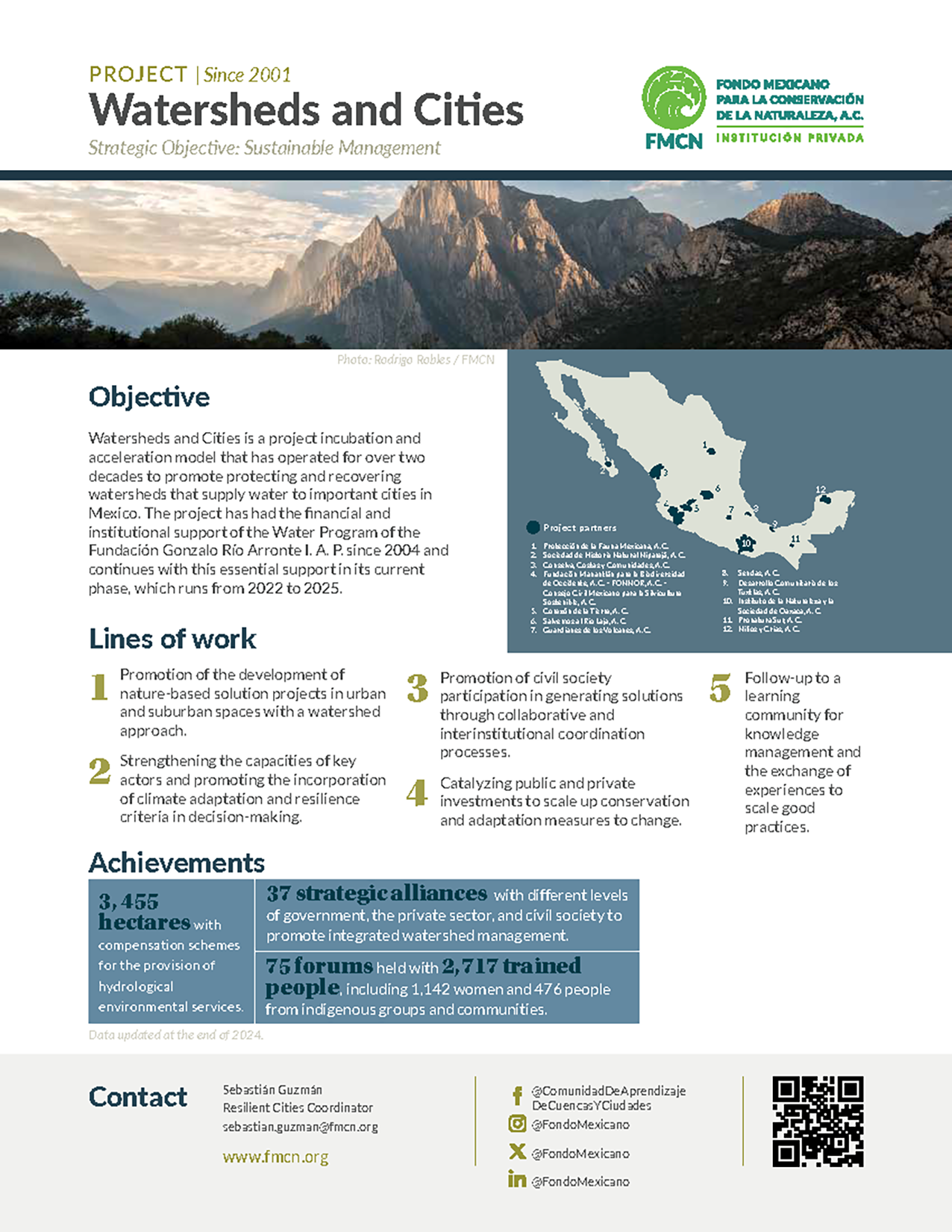
Against this backdrop, since 2002, Watersheds and Cities has been supporting the development of institutional coordination processes to advance watershed and water management in priority regions, the establishment of pilot models for the conservation of ecosystems and landscapes under a watershed approach, and the design and implementation of long-term financial mechanisms.
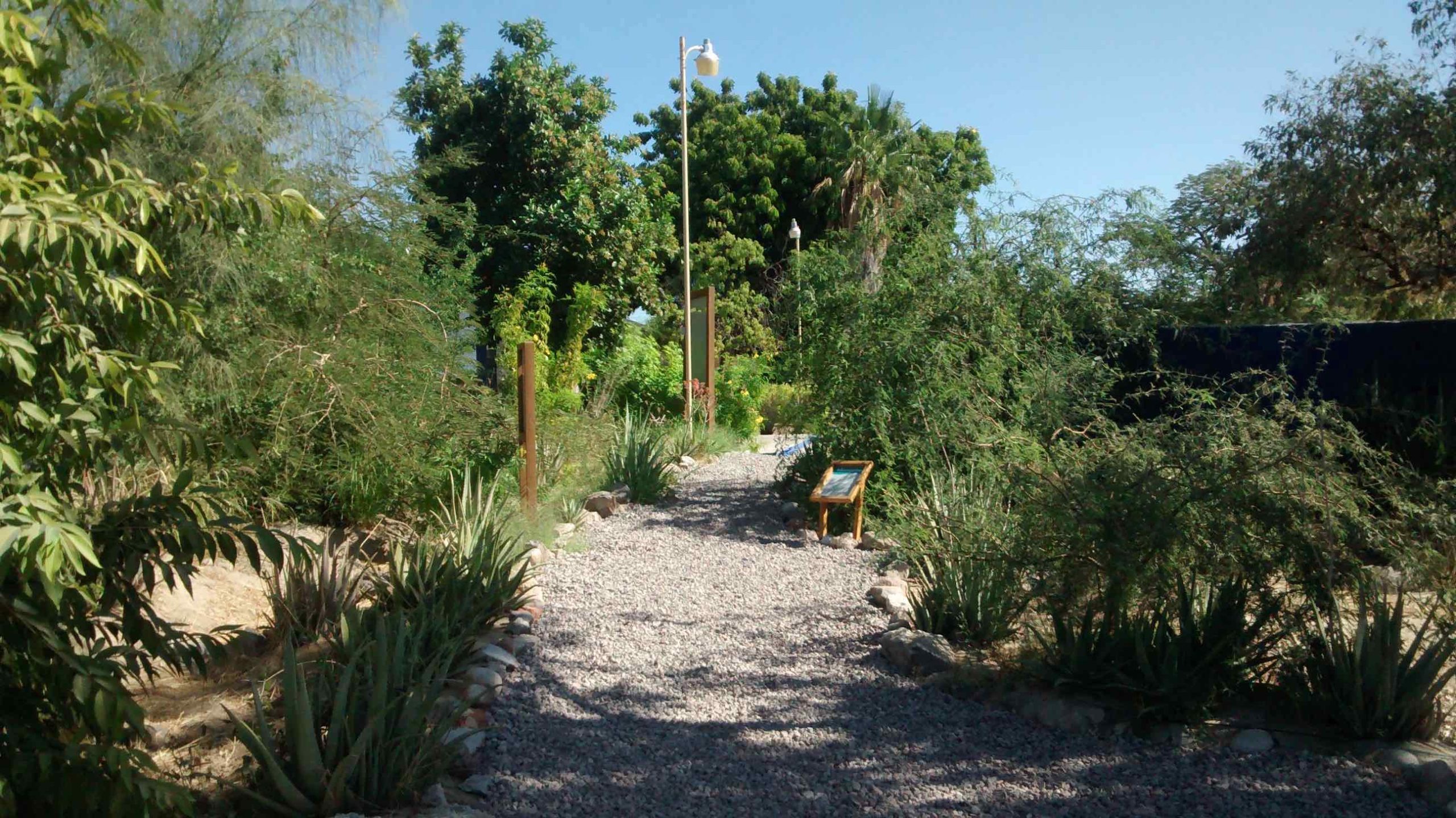
In the new phase of the project (2022-2025), Watersheds and Cities will incorporate components to respond to the present and future challenges of climate change and improve the water resilience of cities and their associated watersheds through the implementation of nature-based solutions (NbS) with an adaptation approach, the integration of green and gray infrastructure, leveraging public and private investments, and strengthening the technical, institutional and financial capacities of key local stakeholders.
- Promote the development of NbS projects in urban and suburban spaces with a watershed approach.
- Strengthen the capacities of key actors and promote the incorporation of climate adaptation and resilience criteria in decision-making.
- Promote the participation of civil society to generate solutions through collaborative processes and inter-institutional coordination.
- Catalyze public and private investments to expand conservation and adaptation measures to climate change.
- Follow up on a learning community for knowledge management and the exchange of experiences to scale best practices.
Achievements
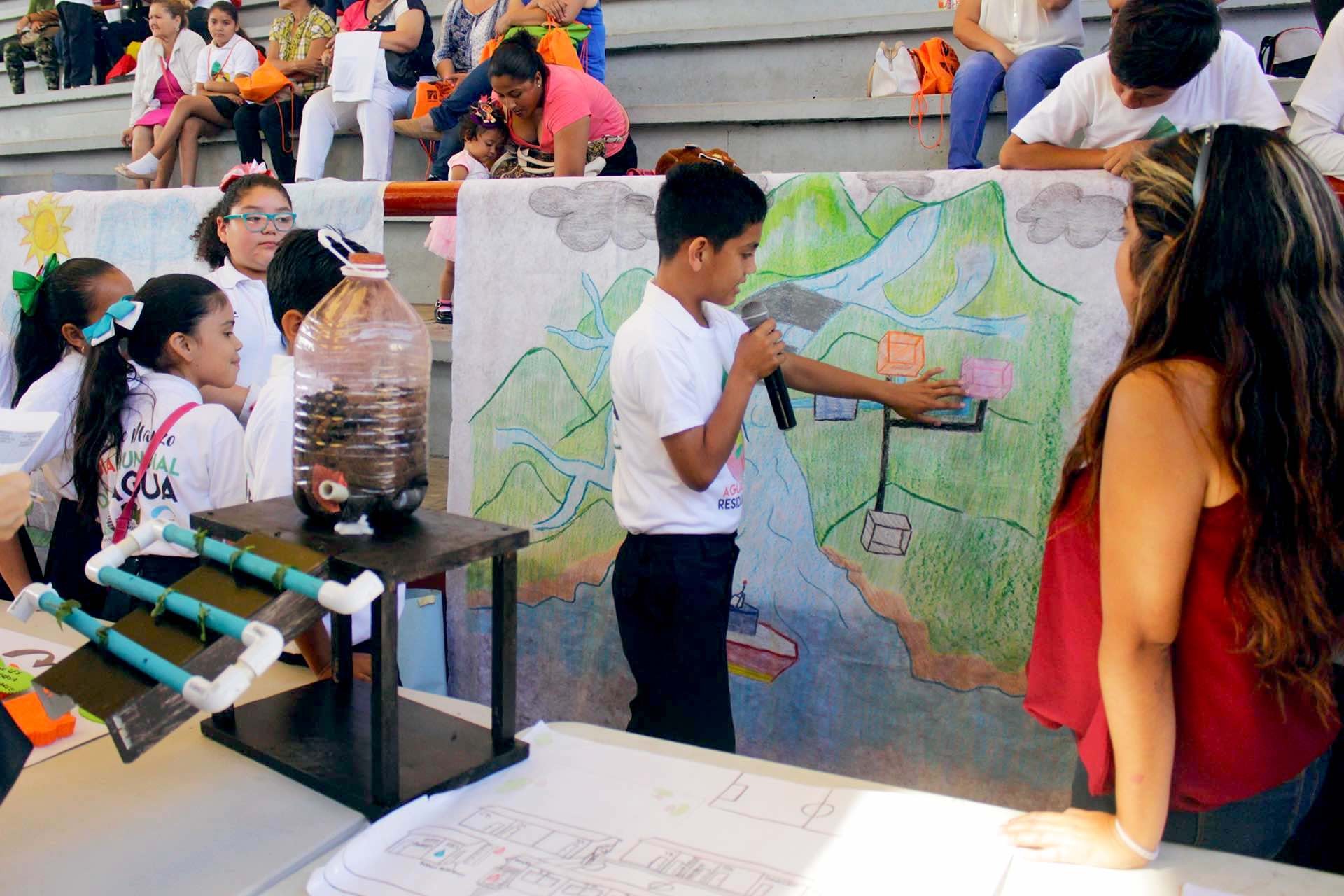
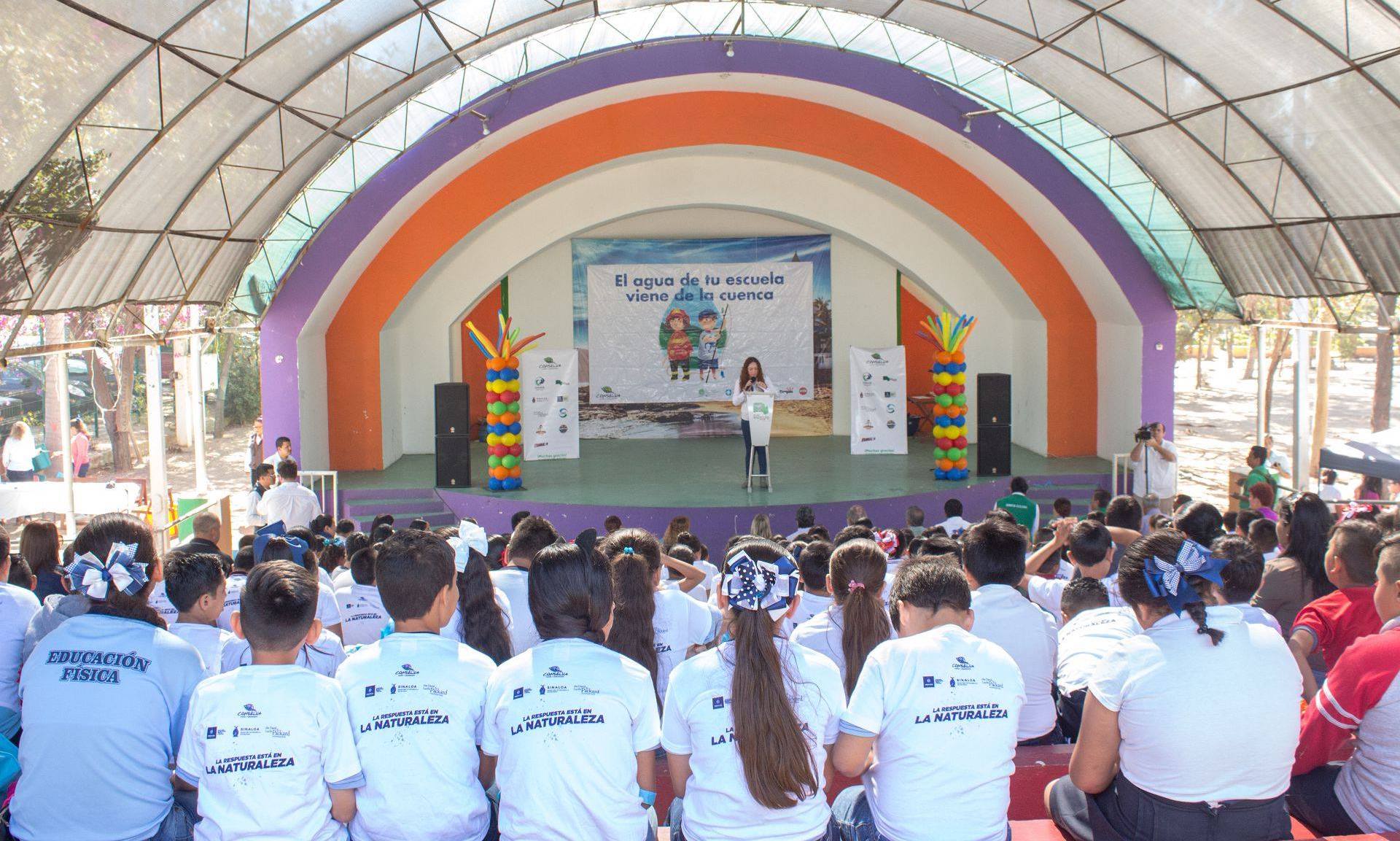
The field deployment of the projects created opportunities for community participation through capacity-building efforts and knowledge-exchange forums promoting watershed-based natural resource management. In 2024, partners organized 75 citizen participation forums, with notable involvement from Indigenous groups and communities.
Partner organizations also consolidated 37 strategic alliances with various levels of government, the private sector, and civil society, strengthening water and land governance.
In terms of communication and knowledge management, awareness campaigns targeting diverse audiences, including children and vulnerable groups, were launched. The project’s Learning Community organized two gatherings and produced knowledge products such as case studies, manuals, infographics, and audiovisual materials.
In collaboration with project partners, technical documents were also published, including the Socio-Environmental Vulnerability Studies related to Climate Change for the cities of Mazatlán and La Paz, which will serve as key decision-making tools at the local level.
Allies
Partners:
- Cervecería de Colima, S.A.
- United Nations Environmental Programme (UNEP)
- U.S. Forest Service